
AUTOMOTIVE
Driving innnovation in the automotive industry
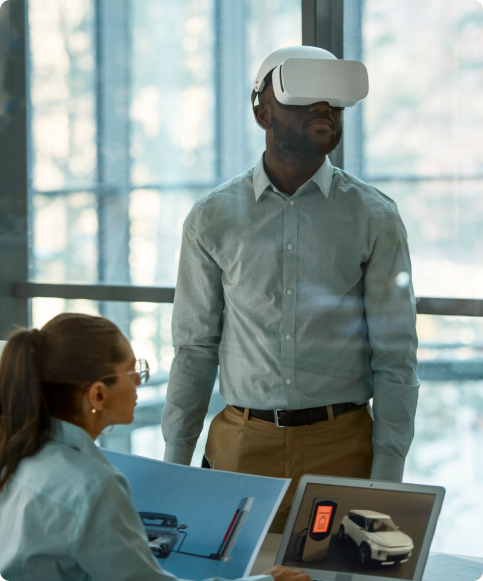
The automotive industry is amid a transformative evolution, propelled by the integration of cutting-edge technologies. At the forefront of this revolution is the concept of digital twins, a technology that is reshaping the way vehicles are designed, manufactured, and maintained.
Digital twins in the automotive context represent virtual replicas of physical vehicles, incorporating real-time data and simulations throughout their lifecycle. This technology enables a comprehensive understanding of a vehicle's design, performance, and condition, fostering innovation and efficiency in the automotive ecosystem.
The lifecycle of a vehicle comprises various stages—from design and manufacturing to operation and maintenance. Digital twins seamlessly integrate into each phase, offering insights, optimiSations, and predictive capabilities that drive efficiency and innovation across the entire automotive value chain.
Digital twins in the automotive context represent virtual replicas of physical vehicles, incorporating real-time data and simulations throughout their lifecycle. This technology enables a comprehensive understanding of a vehicle's design, performance, and condition, fostering innovation and efficiency in the automotive ecosystem.
The lifecycle of a vehicle comprises various stages—from design and manufacturing to operation and maintenance. Digital twins seamlessly integrate into each phase, offering insights, optimiSations, and predictive capabilities that drive efficiency and innovation across the entire automotive value chain.
ENERGY & UTILITIES
Transforming the Energy Sector into a Smart and Efficient Future
The energy sector is undergoing a profound transformation, driven by the convergence of digital technologies and a growing demand for sustainability. One of the key innovations reshaping the industry is the adoption of digital twins—a technology that promises to revolutionise how energy assets are monitored, managed, and optimised.
Digital twins in the energy sector are virtual replicas of physical assets, such as power plants, pipelines, and renewable energy installations. These digital replicas are created by integrating real-time data from sensors, Internet of Things (IoT) devices, and other sources. Digital twins enable a comprehensive, real-time understanding of asset performance and conditions.
One of the primary applications of digital twins in the energy sector is asset monitoring. By creating a digital representation of physical assets, operators can continuously monitor equipment health, detect anomalies, and predict potential failures. This proactive approach to maintenance enhances operational efficiency, minimises downtime, and extends the lifespan of critical infrastructure.
Digital twins in the energy sector are virtual replicas of physical assets, such as power plants, pipelines, and renewable energy installations. These digital replicas are created by integrating real-time data from sensors, Internet of Things (IoT) devices, and other sources. Digital twins enable a comprehensive, real-time understanding of asset performance and conditions.
One of the primary applications of digital twins in the energy sector is asset monitoring. By creating a digital representation of physical assets, operators can continuously monitor equipment health, detect anomalies, and predict potential failures. This proactive approach to maintenance enhances operational efficiency, minimises downtime, and extends the lifespan of critical infrastructure.

HEALTHCARE
Revolutionising healthcare with digital twins
In the rapidly evolving landscape of healthcare, innovative technologies are continuously reshaping how medical professionals deliver care, and one such groundbreaking concept is the use of digital twins. Derived from the field of engineering, digital twins are now making significant strides in healthcare, offering unprecedented opportunities for personalized medicine, real-time monitoring, and more effective patient care.
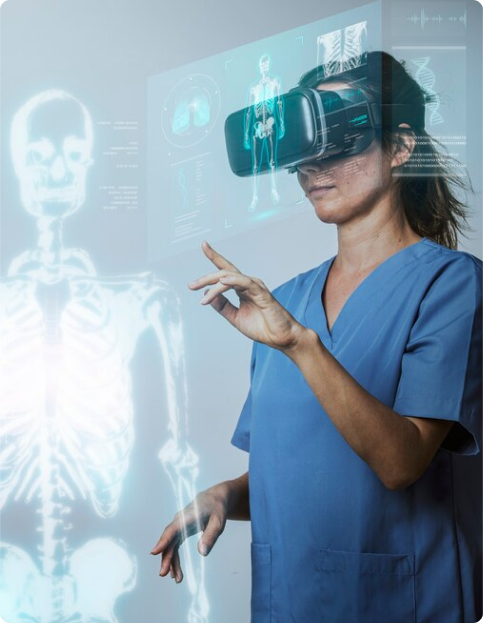
Digital twins are virtual replicas of physical objects, processes, or systems. In healthcare, a digital twin represents an individual patient, capturing their physiological and anatomical characteristics in a virtual environment. This digital representation allows healthcare professionals to monitor, analyse, and simulate various aspects of a patient’s health.
Digital twins enable a personalized approach to healthcare by considering the unique genetic makeup, lifestyle, and medical history of each patient. By incorporating data from wearable devices, genetic information, and electronic health records, healthcare providers can create a comprehensive digital model that reflects the individual's health status.
Digital twins are virtual replicas of physical objects, processes, or systems. In healthcare, a digital twin represents an individual patient, capturing their physiological and anatomical characteristics in a virtual environment. This digital representation allows healthcare professionals to monitor, analyse, and simulate various aspects of a patient’s health.
Digital twins enable a personalized approach to healthcare by considering the unique genetic makeup, lifestyle, and medical history of each patient. By incorporating data from wearable devices, genetic information, and electronic health records, healthcare providers can create a comprehensive digital model that reflects the individual's health status.
SMART CITIES
The Backbone of Smart Cities Revolution
In the pursuit of urban sustainability, efficiency, and innovation, smart cities are leveraging cutting-edge technologies to transform urban landscapes. At the heart of this revolution lies the concept of digital twins—a powerful tool that promises to redefine how cities are planned, managed, and optimized. This article explores the role of digital twins in shaping the future of smart cities, offering a glimpse into the myriad applications and benefits they bring to urban environments.
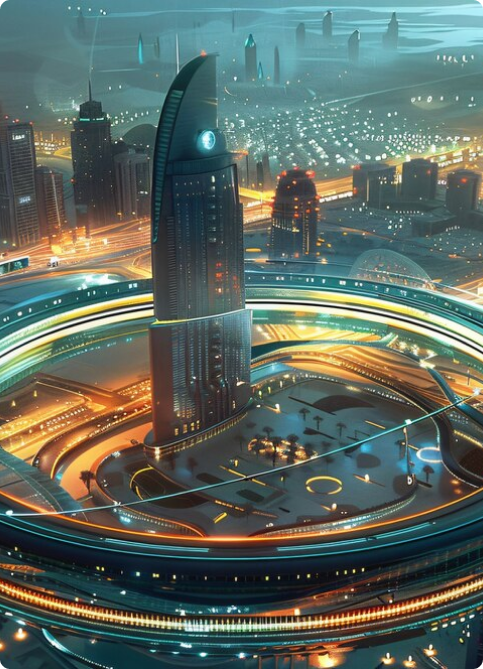
Digital twins in the context of smart cities are virtual replicas of entire urban ecosystems. These digital models integrate real-time data from a variety of sources, including sensors, IoT devices, and other urban infrastructure components. The result is a comprehensive, dynamic representation of the city and its various interconnected systems.
The primary application of digital twins in smart cities is in urban planning and simulation. City officials and planners can create accurate, real-time models of existing and proposed infrastructure. This enables them to simulate the impact of various changes, such as new construction projects, transportation developments, or changes in energy usage, providing valuable insights into the potential effects on the city's overall functionality.
Digital twins in the context of smart cities are virtual replicas of entire urban ecosystems. These digital models integrate real-time data from a variety of sources, including sensors, IoT devices, and other urban infrastructure components. The result is a comprehensive, dynamic representation of the city and its various interconnected systems.
The primary application of digital twins in smart cities is in urban planning and simulation. City officials and planners can create accurate, real-time models of existing and proposed infrastructure. This enables them to simulate the impact of various changes, such as new construction projects, transportation developments, or changes in energy usage, providing valuable insights into the potential effects on the city's overall functionality.
STREAM I Energy & Utilities
Transforming the Energy Sector into a Smart and Efficient Future
The energy sector is undergoing a profound transformation, driven by the convergence of digital technologies and a growing demand for sustainability. One of the key innovations reshaping the industry is the adoption of digital twins—a technology that promises to revolutionise how energy assets are monitored, managed, and optimised.
Digital twins in the energy sector are virtual replicas of physical assets, such as power plants, pipelines, and renewable energy installations. These digital replicas are created by integrating real-time data from sensors, Internet of Things (IoT) devices, and other sources. Digital twins enable a comprehensive, real-time understanding of asset performance and conditions.
One of the primary applications of digital twins in the energy sector is asset monitoring. By creating a digital representation of physical assets, operators can continuously monitor equipment health, detect anomalies, and predict potential failures. This proactive approach to maintenance enhances operational efficiency, minimises downtime, and extends the lifespan of critical infrastructure.
THEME II Smart Cities
The Backbone of Smart Cities Revolution
In the pursuit of urban sustainability, efficiency, and innovation, smart cities are leveraging cutting-edge technologies to transform urban landscapes. At the heart of this revolution lies the concept of digital twins—a powerful tool that promises to redefine how cities are planned, managed, and optimized. This article explores the role of digital twins in shaping the future of smart cities, offering a glimpse into the myriad applications and benefits they bring to urban environments.
Digital twins in the context of smart cities are virtual replicas of entire urban ecosystems. These digital models integrate real-time data from a variety of sources, including sensors, IoT devices, and other urban infrastructure components. The result is a comprehensive, dynamic representation of the city and its various interconnected systems.
The primary application of digital twins in smart cities is in urban planning and simulation. City officials and planners can create accurate, real-time models of existing and proposed infrastructure. This enables them to simulate the impact of various changes, such as new construction projects, transportation developments, or changes in energy usage, providing valuable insights into the potential effects on the city’s overall functionality.
STREAM III Healthcare
Revolutionising healthcare with digital twins
In the rapidly evolving landscape of healthcare, innovative technologies are continuously reshaping how medical professionals deliver care, and one such groundbreaking concept is the use of digital twins. Derived from the field of engineering, digital twins are now making significant strides in healthcare, offering unprecedented opportunities for personalized medicine, real-time monitoring, and more effective patient care.
Digital twins are virtual replicas of physical objects, processes, or systems. In healthcare, a digital twin represents an individual patient, capturing their physiological and anatomical characteristics in a virtual environment. This digital representation allows healthcare professionals to monitor, analyse, and simulate various aspects of a patient’s health.
Digital twins enable a personalized approach to healthcare by considering the unique genetic makeup, lifestyle, and medical history of each patient. By incorporating data from wearable devices, genetic information, and electronic health records, healthcare providers can create a comprehensive digital model that reflects the individual’s health status.
STREAM IV Automotive
Driving innnovation in the automotive industry
The automotive industry is amid a transformative evolution, propelled by the integration of cutting-edge technologies. At the forefront of this revolution is the concept of digital twins, a technology that is reshaping the way vehicles are designed, manufactured, and maintained.
Digital twins in the automotive context represent virtual replicas of physical vehicles, incorporating real-time data and simulations throughout their lifecycle. This technology enables a comprehensive understanding of a vehicle’s design, performance, and condition, fostering innovation and efficiency in the automotive ecosystem.
The lifecycle of a vehicle comprises various stages—from design and manufacturing to operation and maintenance. Digital twins seamlessly integrate into each phase, offering insights, optimiSations, and predictive capabilities that drive efficiency and innovation across the entire automotive value chain.
Add Your Heading Text Here

Lorem ipsum dolor sit amet, consectetur adipiscing elit. Ut elit tellus, luctus nec ullamcorper mattis, pulvinar dapibus leo.
Add Your Heading Text Here
Lorem ipsum dolor sit amet, consectetur adipiscing elit. Ut elit tellus, luctus nec ullamcorper mattis, pulvinar dapibus leo.
Add Your Heading Text Here
Lorem ipsum dolor sit amet, consectetur adipiscing elit. Ut elit tellus, luctus nec ullamcorper mattis, pulvinar dapibus leo.